The short answer to the question of whether your heat pump needs fall and spring maintenance is, “yes.”
But not to worry, we’re going to elaborate. We would never just tell you to schedule an unnecessary service for the sake of it. Biannual heat pump maintenance is necessary.
You see, heat pump systems—as you know if you have one—are 2-in-1 heating and cooling systems. Not only do they provide effective heat in the wintertime, but they offer efficient air conditioning in the summer, as well.
HVAC maintenance is what allows our technicians to fully inspect, clean, and adjust your air conditioner in the spring, and your heater in the fall. This allows them to both operate as effectively and efficiently as possible, for as long as possible. But this doesn’t mean you get to skip a maintenance session if you have a heat pump! Since it does twice the work, it needs twice the care. To help homeowners keep their systems running efficiently, we’ll share some essential heat pump maintenance tips—actionable advice you can follow to avoid breakdowns and extend your unit’s lifespan.
Proper care and routine maintenance are key to ensuring your heat pump’s efficiency, reliability, and longevity. There are also basic maintenance tasks you can perform yourself, such as checking and replacing filters regularly or clearing debris from around the outdoor unit.
Read on as we uncover more about the importance of professional heat pump maintenance and how proper heat pump maintenance is crucial for system efficiency, extending lifespan, and preventing sudden and costly Oradell, NJ heating repair needs.
Continue Reading
Tags: heat pump maintenance, Heating Repair, Oradell
Posted in Heat Pump Systems | Comments Off on Does My Heat Pump Need Fall and Spring Maintenance?

 It would be really easy for us to say, “yes! Every homeowner should have a UV air purifier installed if they don’t already have one.” But don’t worry, we know you deserve a bit more of an explanation than this.
 Spring is here, with summer not too far behind. If you were considering replacing your aging air conditioner, we have a great option for you—a ductless air conditioner!
 When our customers hear the term indoor air quality, they usually consider the temperature of their air. This is an important part of indoor air quality, but not the end of the story. The air quality of your home is impacted by a number of factors—how humid or dry it is, how stale the air is, and the number of allergens in the air, for example. Without the right IAQ products and services in place, your indoor air quality can actually be far worse than the quality of the air outside.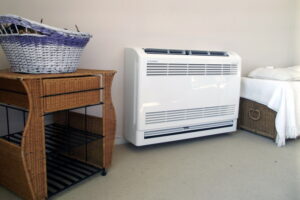
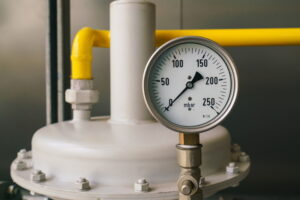 Have you ever been told by a professional plumber or HVAC technician that your boiler can be affected by boiler scale? Perhaps you’re not sure how seriously to take this warning—scaling is a common problem but it doesn’t sound all that threatening right? Unfortunately, it can be, if it’s ignored for too long.
 Perhaps you’ve heard of a ductless system before, but don’t quite know what it is or why it’s so different from a standard HVAC system.
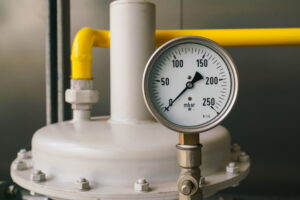 Are you one of the many homeowners who rely on one of the most dependable heating systems around? That’s right, we’re talking about the boiler. Since boilers have fewer moving parts than their furnace or heat pump counterparts, they accumulate less wear and tear, and in general last longer as a result.
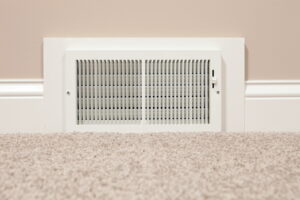 When you live in a climate like ours, one that changes drastically from one season to the next, then it’s nice to know that you can enjoy the comfort brought to you by a year-round heat pump system. Whether it’s one of the coldest days of the year or the hottest, you can rest assured that your heat pump will keep you comfortable—that is, until it stops keeping you comfortable.
 This is, of course, a very concerning problem to have on a cold fall or winter day—feeling cold air come out of your vents is the last thing you need, after all. If you have in fact discovered you’re experiencing this problem, the best thing you can do to get your system back on track is give our team a call!
 Throughout the lifespan of your heater, there are certain noises that come from it that are easy to “tune out.” For instance, if you live on a busy street, you get used to the noise of cars zipping by, right? The same concept applies to the gentle rattling of your ducts when your furnace turns on or the whoosh of air coming through the room vents. If there’s ever a heater noise you can’t tune out though, because it’s loud or very unusual, then it’s definitely not a noise you should ignore.