
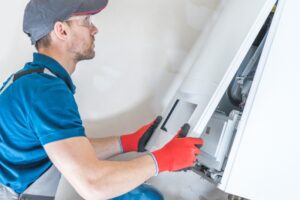
 A number of homeowners in our area choose an electric furnace over a gas-powered system due to their convenience and flexibility. After all, practically all homes are wired for electricity, so electric furnaces are a reliable option for any homeowner. They’re also a bit safer than gas furnaces since there are no hazards from toxic or combustible gases. That’s not to say that gas furnaces are inherently dangerous–just that this is a reason that many homeowners choose an electric furnace!
Electric furnaces do tend to be less cost-efficient when it comes to month-to-month utility bills, but their current technology is far superior to what it once was, making electricity a competitive option for reduced energy use. The biggest benefit of an electric furnace as your home heating choice is its longevity and durability. Typically, an electric furnace can last up to 10 years longer than a gas furnace and need fewer repairs over the years.
However, this doesn’t mean they don’t need service! Just like a gas furnace, an electric furnace needs careful professional maintenance to prevent repair needs and keep the system running smoothly for the years to come. Read on to learn why!
 There’s no denying that when you live somewhere like the Emerson area, you need a quality heating system in place. Not only that, but you need to make sure it’s well-maintained. This means scheduling professional tune-ups for your heater each year–twice a year if you’re using a year-round heat pump system. Tune-ups help your heater work as effectively and efficiently as possible for as long as possible. Plus, tune-ups can help prevent up to 85% of the repairs a furnace or heating system may ever need in its lifetime! This is because, during your tune-up, we’ll alert you to small repair needs so you can take care of them before they turn into larger emergencies.
 There’s no denying that wintertime can be pretty brutal here in New Jersey. The chill in the air means that we need effective and efficient heaters in our homes. So, how’s yours working? Hopefully, you’ve already had it tuned up this fall–this is a service that’s needed once a year at least for your heater (if you’re using a heat pump system that also cools, this should be increased to twice a year).
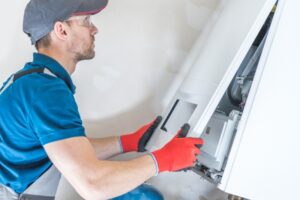 So it’s time for you to replace your current heating system. You’re considering a new furnace, but is gas the best choice for your fuel source, or should you go with an electric furnace? We can’t answer this definitively for you without hearing more about your specific needs and seeing your home, but we can certainly help you make an informed decision! Both furnace types have their pros and cons, and there are many factors to consider with both types.
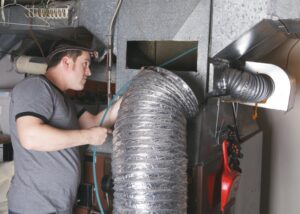 Are you utilizing a gas-powered heating system in your home? Well, then there is at least one safety risk that you really need to know about. Now, this isn’t to say that gas furnaces are automatically dangerous by nature… they aren’t. However, there is a component within your gas-powered system that could be harmful if ignored for too long–and this is the heat exchanger.
 Fall is officially here, which means that soon enough, you’ll be using your heating system to keep you comfy for multiple hours a day. There are many things you can do to prepare your home for the heating season. One of the key things you can do, however, is to ensure that your heating system gets a proper tune-up! This is the best way to set your heater up for success this year.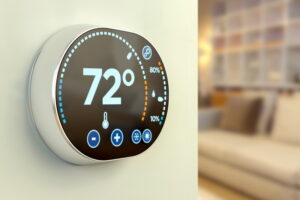
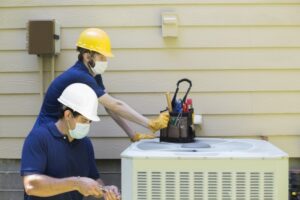 With temperatures still on the warmer side, and with the violent weather we had recently, your air conditioner’s repair needs are probably not at the top of mind, especially if that system is still running and keeping you relatively cool.
 If you’re like most homeowners, you’re not going to turn down a chance to save money, right? This is especially true if we’re referring to energy and utility bills (which we are!) In addition to these utility bills every month, when it comes to your HVAC systems, you also have the cost of upkeep to consider–repairs, eventual replacement, and maintenance. This can all be understandably overwhelming.
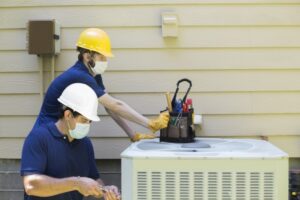 If your air conditioner is showing unusual symptoms, even if it’s running “okay,” it’s probably time to give us a call. What we run into fairly often with residential air conditioning systems is that homeowners wait until the air conditioner breaks down completely to call us. By then, whatever repair need they had likely grew into something unnecessarily expensive to repair. We say unnecessarily because the truth is, most repair needs show symptoms that could be managed far sooner.