April is the best month to arrange for your regular air conditioning maintenance appointment.
What’s that? You didn’t know your AC needed an annual maintenance appointment? We’re glad we caught your attention then, because this is one of the most important services you can have done for your HVAC system specifically and your home comfort in general.
Thanks to regular AC maintenance, you’ll have a cooling system that works better and at higher energy efficiency. Regular maintenance also prevents many aggravating hassles you might run into when trying to keep your home cooled down. We’ll take a look at how maintenance stops these various problems.

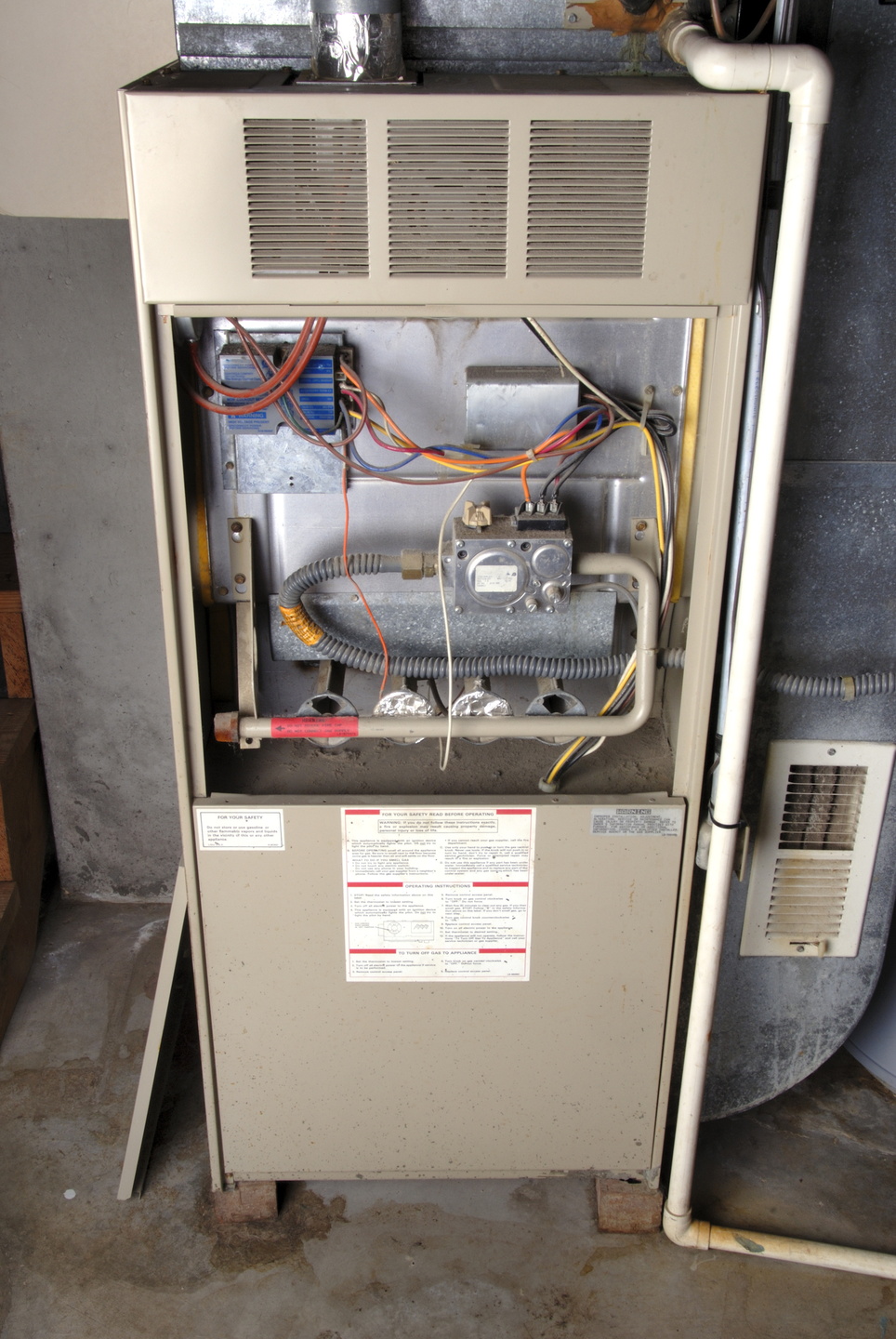
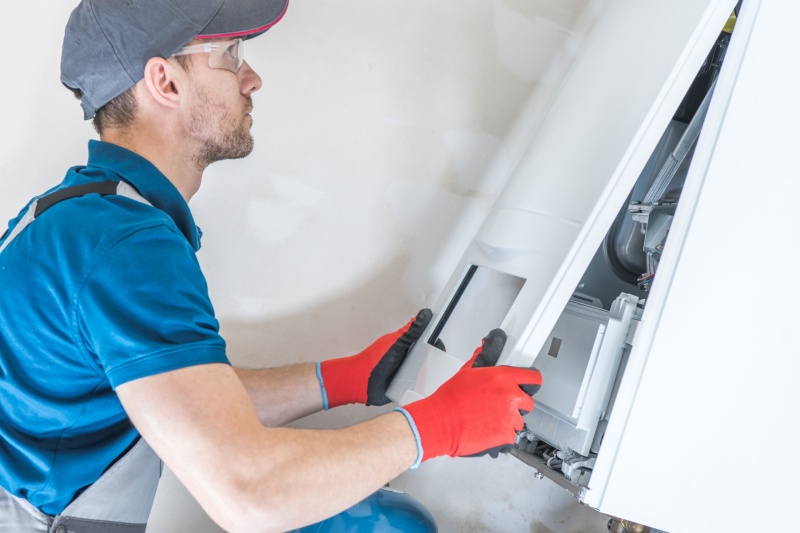
 If you’ve followed our blog for very long, you’ve probably seen us talk about the importance of routine professional maintenance. Maintenance helps both your air conditioner and your heating system, or heat pump, work as effectively and efficiently as possible for as long as possible. Without maintenance, you could struggle with frequent repair needs, inefficient system operation, and a shorter equipment lifespan.
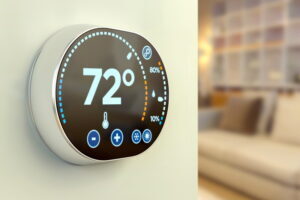 The thermostat you use to control your heating and cooling systems is an important component. It essentially serves as the “brain” of your HVAC systems, and without it, you simply could not get the comfort that you need in your home.
 Getting professional repairs done for your air conditioner when it needs it is one of those services you don’t want to put off. Delaying AC repairs can leave you with a completely broken down machine, and no way to stay comfortable throughout the rest of our long and hot summer.