
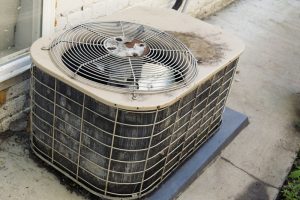
 Are you wondering if it’s about time to replace your air conditioner? If you’re at this point, chances are it couldn’t hurt. You’ll have a lot of considerations to make—do you want the same type of system? Perhaps you want to get rid of the ductwork in your attic and have a ductless HVAC system installed instead. Or maybe you want to switch out your central AC and furnace for a year-round heat pump.
Regardless of what you decide, we are your trusted resource for professional air conditioning services. In the meantime, we encourage you to think about the signs your air conditioner is showing that might indicate it’s ready for an upgrade. We’ve highlighted some of the main ones below.
 As the warm weather gets underway, we recommend you pay attention to how your air conditioning system is running. If you’ve already scheduled maintenance service for it (and it’s not too late to do so if you haven’t!), the air conditioner will probably run without any problems. Keeping an AC in top-flight condition is a big part of what maintenance is for.
 Did you know that the quality of your indoor air can actually be worse than the outdoor air? This is especially true for humidity. Humidity is something we’re all too familiar with here in the summertime. It’s when there is excessive moisture in the air that it’s harder for us to cool off, since we can’t sweat. High humidity can even cause health problems.
 Springtime is typically when we encourage homeowners to schedule annual maintenance for their air conditioners. This is a season when HVAC technicians usually have less crowded schedules since they’re responding to fewer emergency calls for broken down heaters or air conditioners, and therefore it’s easier to schedule this
 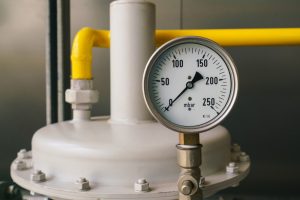 Have you ever been told by a plumbing professional that your boiler has been affected by boiler scale? Another name for it is boiler deposits. You might not be sure whether to take this issue seriously as it’s not blaringly obvious that something is wrong with your boiler. In fact, scaling in boilers is actually common.
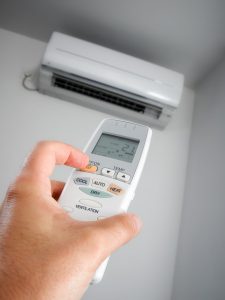 When customers ask us what the best options are for new HVAC systems today, we are quick to suggest ductless heating (and cooling). The reason for this is how efficient and effective these systems are. Rather than operating through a network of air ducts connected to an indoor air handler, like a traditional central air conditioner or furnace, ductless systems have an outdoor unit to which you can connect up to four indoor air handlers. These air handlers are mounted up high on the walls of the rooms in which they are installed, and can be controlled independently of each other.
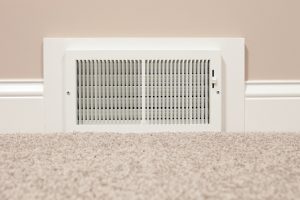 Wouldn’t it be nice if you could completely avoid the need for
  There are probably plenty of people out there who would be willing to service your heater, or any other home comfort appliance in your house, but that doesn’t mean they should. Many general handymen (and women) out there don’t actually have much experience specifically in the HVAC industry, and therefore will be learning by using your system as an example—which isn’t a comfortable feeling when you consider how cold our winters get. Do you really want your heater to be a guinea pig?
 One size does not fit all! We understand that if you’re shopping for a new furnace this time of the year, it probably feels urgent. But, there are many factors to take into consideration with this type of purchase. You’ll want to compare things like fuel types—should you stick with an electric furnace, or utilize your gas lines? You’ll also want to compare AFUE and HSPF ratings to ensure you’re getting the most for your money from month to month.
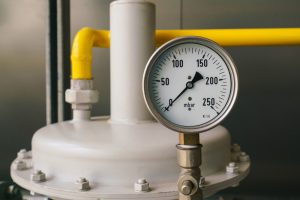 Boilers are extremely sturdy and efficient heating systems. But this can only remain the case if they are properly cared for—meaning your boiler should be professionally installed, repaired, and maintained by experienced heating technicians for it to perform as best it can.