
Nobody likes to spend unnecessary money right before the holiday season, let alone any time of the year. The fact of the matter is though, some things come as a surprise and force you to spend money before you were ready to. Heating system repairs are one of those things that can come as a surprise. Whether it’s a loose component, damaged ductwork, or worn-down motor bearings, heating repair needs are never fun.
However, knowing the warning signs that you have a small problem and calling our team right away is much better than waiting for the problem to grow, making it a bigger and more expensive problem right in the middle of the holiday season. Read on to learn a few of these signs!
 If you’ve followed our blog for very long, you’ve probably seen us talk about the importance of routine professional maintenance. Maintenance helps both your air conditioner and your heating system, or heat pump, work as effectively and efficiently as possible for as long as possible. Without maintenance, you could struggle with frequent repair needs, inefficient system operation, and a shorter equipment lifespan.
 The last thing any New Jersey homeowner needs in the middle of winter is a heating system that’s malfunctioning, right?
 A number of homeowners in our area choose an electric furnace over a gas-powered system due to their convenience and flexibility. After all, practically all homes are wired for electricity, so electric furnaces are a reliable option for any homeowner. They’re also a bit safer than gas furnaces since there are no hazards from toxic or combustible gases. That’s not to say that gas furnaces are inherently dangerous–just that this is a reason that many homeowners choose an electric furnace!
 There’s no denying that when you live somewhere like the Emerson area, you need a quality heating system in place. Not only that, but you need to make sure it’s well-maintained. This means scheduling professional tune-ups for your heater each year–twice a year if you’re using a year-round heat pump system. Tune-ups help your heater work as effectively and efficiently as possible for as long as possible. Plus, tune-ups can help prevent up to 85% of the repairs a furnace or heating system may ever need in its lifetime! This is because, during your tune-up, we’ll alert you to small repair needs so you can take care of them before they turn into larger emergencies.
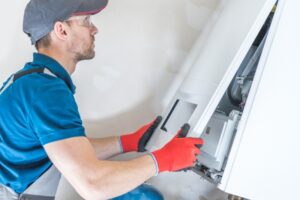 So it’s time for you to replace your current heating system. You’re considering a new furnace, but is gas the best choice for your fuel source, or should you go with an electric furnace? We can’t answer this definitively for you without hearing more about your specific needs and seeing your home, but we can certainly help you make an informed decision! Both furnace types have their pros and cons, and there are many factors to consider with both types.
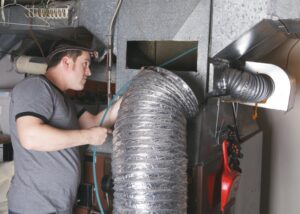 Are you utilizing a gas-powered heating system in your home? Well, then there is at least one safety risk that you really need to know about. Now, this isn’t to say that gas furnaces are automatically dangerous by nature… they aren’t. However, there is a component within your gas-powered system that could be harmful if ignored for too long–and this is the heat exchanger.
 Fall is officially here, which means that soon enough, you’ll be using your heating system to keep you comfy for multiple hours a day. There are many things you can do to prepare your home for the heating season. One of the key things you can do, however, is to ensure that your heating system gets a proper tune-up! This is the best way to set your heater up for success this year.
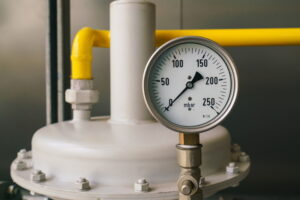 Have you ever been told by a professional plumber or HVAC technician that your boiler can be affected by boiler scale? Perhaps you’re not sure how seriously to take this warning—scaling is a common problem but it doesn’t sound all that threatening right? Unfortunately, it can be, if it’s ignored for too long.
 Perhaps you’ve heard of a ductless system before, but don’t quite know what it is or why it’s so different from a standard HVAC system.