
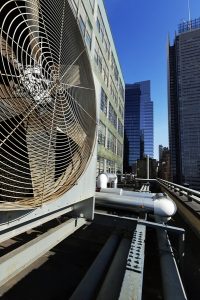
 If you’re not already running your commercial climate control system on a daily basis, you will be soon. As you rely on your air conditioner to keep your building cool, you need to give some thought to how you’re going to keep it in good condition throughout the season. There are a number of ways to make sure that your commercial HVAC system stays in good condition, even during high-stress seasons like summer. Read on to find out the best ways to keep your commercial HVAC system healthy over the next few months, and beyond.
- Recent Projects
-
Air Conditioning
- Air Conditioning Installation
- Air Conditioning Replacement
- Air Conditioning Maintenance
- Air Conditioning Repair
- Carrier Air Conditioners
- Trane Air Conditioners
- Custom Ductwork
- Thermostats
- Zone Control Systems
- Air Conditioning Tips
- Air Conditioning FAQs
-
Commercial Services
- Commercial Heating & Air Conditioning Installation
- Commercial Heating & Air Conditioning Replacement
- Commercial Heating & Air Conditioning Maintenance
- Commercial Heating & Air Conditioning Repair
- Carrier Commercial HVAC Systems
- Trane Rooftop Units
- Trane Packaged Air Conditioning Units
- Energy Management
- Building Controls
-
Heating
- Heating Installation
- Heating Replacement
- Heating Maintenance
- Heating Repair
- Furnaces
- Furnace Installation
- Furnace Replacement
- Furnace Maintenance
- Furnace Repair
- Carrier Furnaces
- Trane Furnaces
- Heat Pumps
- Boilers
- Hot Water Boilers
- Steam Boilers
- Peerless Boilers
- Custom Ductwork
- Thermostats
- Zone Control Systems
- Oil to Gas Conversion
- Heating Tips
- Heating FAQs
-
Ductless Mini Splits
-
Indoor Air Quality
-
Maintenance
-
About Us
-
Contact Us
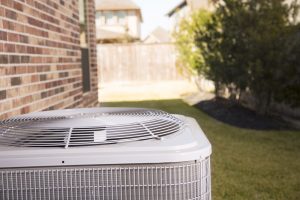 Air conditioners are placed under a lot of strain during the summer season. More strain means more wear and tear, which means a higher chance for problems to develop. That doesn’t mean that you should just go without using your air conditioner, of course. It just means that you should keep an eye out for any signs that your air conditioner is struggling in some way. If you can respond quickly to a malfunction and get it repaired, it’ll be better off in the long run. Have a look at the following signs that your air conditioner is in need of repairs.
 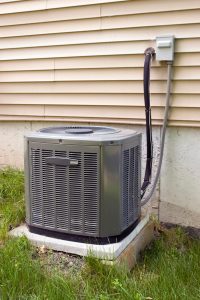 Well, it’s that time again. Time for your spring heat pump preventive maintenance appointment! Now, if you’ve had your heat pump tuned-up sometime in the last 6-8 months, you might be wondering why we’re saying such a thing after less than a year. The answer is simple: heat pumps need more maintenance than air conditioners or heaters. Avoiding bi-annual maintenance is a great way to make your heat pump less efficient and more prone to issues. Don’t believe us? Read on to find out why this is.
 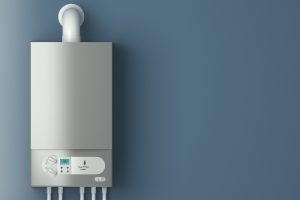 We’re getting to the end of winter now, but we have a few weeks of cold weather left before getting into air conditioning season. If you’re relying on a boiler to keep your home warm through the rest of the winter, you should make sure that it finishes out the season in the best possible shape. Follow the tips below to keep your boiler in good condition.
 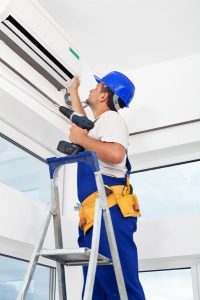 We’re coming to the end of winter in a few weeks, which may seem like an odd time to consider replacing your
 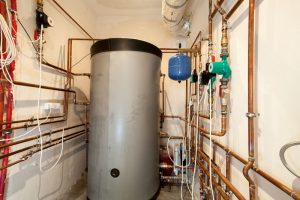 Commercial heaters are big, expensive systems, so naturally, business owners want to get as many good years of service out of them as possible. Even if you take the best possible care of your commercial heater, though, you’re eventually going to need to replace it with a new one. Ideally, you should do it before your current one breaks down entirely. You don’t want to have your entire building be without heat for days while you wait for a new system to arrive and be installed. Have a look at some of the more common signs that it’s time to consider replacing your commercial heating system.
 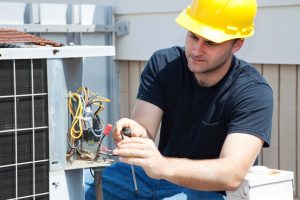 Know when the worst possible time is for your heat pump to start malfunctioning? In the middle of a record-breaking season for low temperatures. Guess what, though? That’s exactly when your heat pump is most likely to start having issues. The added strain you put on your heating system by using it more often increases the chances of problems developing with it as the winter goes on. You should be able to identify the warning signs that your heat pump is experiencing a problem, so that you can have it repaired as quickly as possible. Let’s take a look at some of the biggest warning signs that your heat pump needs to be repaired.
 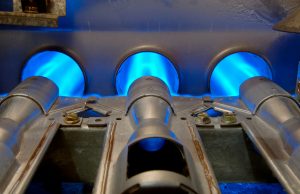 We’re going to go out on a limb and assume that you are cranking your commercial heating system during work hours. It’s rather hard to focus on getting work done when you can’t feel your extremities, after all. The more you use your heating system, though, the more strain you put on it. That increases the odds of something going wrong with the system.
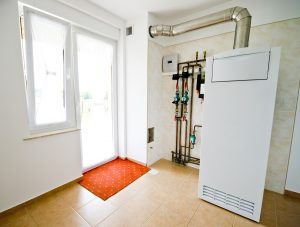 It’s important to remember that as you use your furnace more often during the winter, the more strain is going to be placed on it. More strain increases the chances of a problem developing with the system as the winter goes on. Preventive maintenance can decrease the odds of this happening, but it cannot eliminate them completely.