
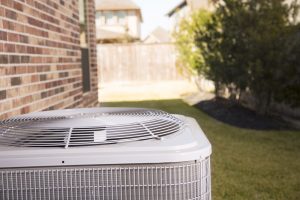
 If the thermostat is the “brain” of your air conditioning system, then your compressor is the system’s “heart.” This is one of the most essential components of the AC system, and without a functional compressor, your cooling system won’t produce any cold air at all.
When your air conditioner begins to experience operating problems, the best thing to do is contact your Allendale, NJ air conditioning service pros. The first thing we’ll investigate is, in fact, your compressor as many common AC issues stem from here. So, what if an HVAC technician informs you that yours is failing? What should your next step be?
The Function of the Compressor
Your AC compressor works by compressing the refrigerant within the cooling system in order to transfer heat out of your home and cool air back into it. Chances are, that if it’s reached the point that it’s failing, that other parts of your AC system are failing as well, and you may want to replace the whole system all at once rather than simply replacing the compressor.
Is Your Compressor Still Under Warranty?
Perhaps the only time it makes more sense to replace only the compressor without addressing the rest of the unit is if it is still under warranty—meaning you will not have to pay for the compressor itself but rather just the labor required for the replacement job. It’s rare that a compressor breaks down while still under warranty, but it can happen.
If your compressor is not still under warranty, then you’ll of course want to look at your budget first before replacing the full system. But consider this—if your compressor has failed, chances are that the rest of the system isn’t far behind, so you may end up replacing the whole thing soon anyway. Also, pairing a high efficient compressor with an aging evaporator unit could do more harm than good for the system as a whole.
Know Your Compressor Risks
If you’ve kept up on your annual AC maintenance appointments, and tackled small repairs as soon as they crop up, then chances are you have a pretty good amount of life in your compressor—about 10-15 years. Once it has passed that point though, you can run into a number of compressor problems, such as the following.
- Bad Pressurization: Your compressor works through pump action—suction and discharge—in order to draw liquid refrigerant inside, and then compressed it into a high temperature gas. Either of these actions can result in too much or too little pressure due to a mechanical malfunction. If this happens, you’ll have a significant drop in cooling power.
- Failed Motor: Typically, a compressor motor that stops working is a result of a failed start capacitor, a cylindrical device tasked with sending electrical voltage to the motor in order to begin operation.
- Overheated Compressor: This may be due to issues with wiring, or it can be a faulty compressor motor. Whatever the case, overheating can certainly cause your compressor to fail.
Frequently Asked Questions
Question: What are the signs of a failing AC compressor?
Answer: A failing AC compressor may cause weak airflow, warm air coming from the vents, unusual noises, frequent system cycling, or difficulty starting the air conditioner. These symptoms often indicate that the compressor is struggling to operate properly and may require professional inspection or repair.
Question: Can an air conditioner run with a bad compressor?
Answer: While an air conditioner may continue running for a short period with a failing compressor, its cooling performance will likely be reduced. In many cases, a completely failed compressor prevents the system from cooling altogether, making prompt diagnosis and service important.
Question: Should I repair or replace a failed AC compressor?
Answer: The decision depends on factors such as the age of the system, repair costs, warranty coverage, and overall equipment condition. If the air conditioner is older or has experienced multiple issues, replacing the system may provide better value and long-term reliability.
Question: What causes an AC compressor to fail?
Answer: Compressor failure can result from several issues, including electrical problems, refrigerant imbalances, lack of maintenance, overheating, or excessive wear over time. Regular maintenance and timely repairs can help identify potential problems before they lead to compressor damage.
Question: How can I prevent compressor problems in my air conditioning system?
Answer: Routine professional maintenance is one of the best ways to protect your compressor. Regular inspections, cleaning, proper refrigerant levels, and addressing small issues early can help improve system performance, extend equipment life, and reduce the risk of costly breakdowns.
At DB Heating & Cooling, Inc, we serve the heating and cooling needs of customers throughout Rockland County, NY as well as Bergen County, NJ and surrounding communities. You can count on us for expert services. Contact us today!