
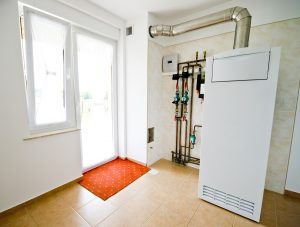
 There are a lot of different signs and symptoms that indicate that a furnace isn’t operating the way it should be. Failing to heat properly is one of the more obvious ones. If your furnace isn’t putting out enough heat this season, you should obviously have it examined by a professional technician as soon as possible. While you’re waiting for your heating technician to get there, though, why not read through some of the possible reasons why your furnace is acting that way?
- Recent Projects
-
Air Conditioning
- Air Conditioning Installation
- Air Conditioning Replacement
- Air Conditioning Maintenance
- Air Conditioning Repair
- Carrier Air Conditioners
- Trane Air Conditioners
- Custom Ductwork
- Thermostats
- Zone Control Systems
- Air Conditioning Tips
- Air Conditioning FAQs
-
Commercial Services
- Commercial Heating & Air Conditioning Installation
- Commercial Heating & Air Conditioning Replacement
- Commercial Heating & Air Conditioning Maintenance
- Commercial Heating & Air Conditioning Repair
- Carrier Commercial HVAC Systems
- Trane Rooftop Units
- Trane Packaged Air Conditioning Units
- Energy Management
- Building Controls
-
Heating
- Heating Installation
- Heating Replacement
- Heating Maintenance
- Heating Repair
- Furnaces
- Furnace Installation
- Furnace Replacement
- Furnace Maintenance
- Furnace Repair
- Carrier Furnaces
- Trane Furnaces
- Heat Pumps
- Boilers
- Hot Water Boilers
- Steam Boilers
- Peerless Boilers
- Custom Ductwork
- Thermostats
- Zone Control Systems
- Oil to Gas Conversion
- Heating Tips
- Heating FAQs
-
Ductless Mini Splits
-
Indoor Air Quality
-
Maintenance
-
About Us
-
Contact Us
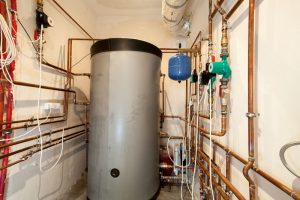 Commercial heaters are big, expensive systems, so naturally, business owners want to get as many good years of service out of them as possible. Even if you take the best possible care of your commercial heater, though, you’re eventually going to need to replace it with a new one. Ideally, you should do it before your current one breaks down entirely. You don’t want to have your entire building be without heat for days while you wait for a new system to arrive and be installed. Have a look at some of the more common signs that it’s time to consider replacing your commercial heating system.
 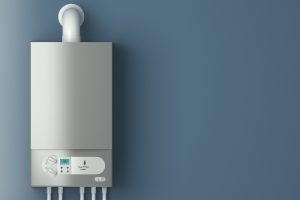 Boilers are often cited as being among the most stable heating systems on the market. They’re far less likely to develop issues than most other kinds of heating systems, owing mostly to the fact that they have far fewer moving parts than most heating system types. However, that does not mean that boilers are somehow immune from developing problems. One of the most common kinds of boiler problems is that of kettling.
  Know when the worst possible time is for your heat pump to start malfunctioning? In the middle of a record-breaking season for low temperatures. Guess what, though? That’s exactly when your heat pump is most likely to start having issues. The added strain you put on your heating system by using it more often increases the chances of problems developing with it as the winter goes on. You should be able to identify the warning signs that your heat pump is experiencing a problem, so that you can have it repaired as quickly as possible. Let’s take a look at some of the biggest warning signs that your heat pump needs to be repaired.
 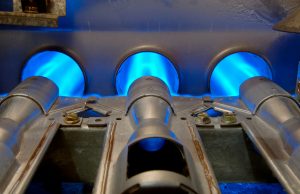 We’re going to go out on a limb and assume that you are cranking your commercial heating system during work hours. It’s rather hard to focus on getting work done when you can’t feel your extremities, after all. The more you use your heating system, though, the more strain you put on it. That increases the odds of something going wrong with the system.
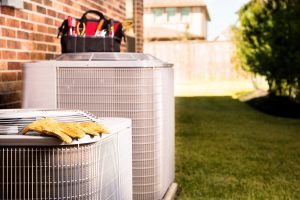 You’ve probably been using your heat pump in heating mode for several weeks now, since the weather has started to cool off. Before we get too far into the heating season, though, it’s important that you make sure that your heat pump is ready for the added demand. There are a number of ways that you can go about preparing your heat pump for the winter season, but none is as effective as scheduling preventive maintenance. This is a good thing to do, even if you have already scheduled preventive maintenance earlier in the year.
 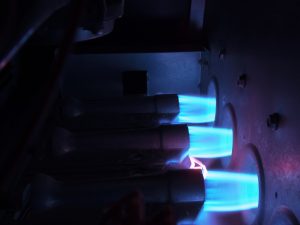 The daily temperature is starting to drop rapidly, as we get closer and closer to winter. That means that you’re going to need to make sure your home is ready for the heating season. For most homeowners, preparing for the heating season just means scheduling preventive maintenance for their heating systems.
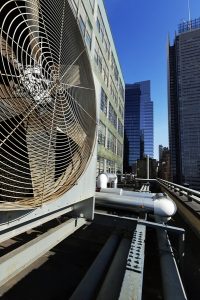 We’re still experiencing some wide swings between hot and cold days. Eventually, though, we’ll slide into the full-on heating season. Your commercial property will start to rely on its heating system to maintain a comfortable climate on a daily basis. Along with that added usage, there’s going to be an increased chance of problems developing. If you want to make sure that your commercial heating system is able to cope with the strain of heating season, there are a couple of tips you should follow. Read on to find out more about these tips.